

Quick Answer (For DME Suppliers Sourcing Portable Nebulizer Blowers)
- 12V micro motor audit has 4 structural dimensions: EMC/ESD compliance, medical-grade material, IEC 60601-1 readiness, RPM-torque curve matching.
- The 12V blower product range covers the structural blower selection.
- The medical blower range is the medical-grade subset.
- Request factory audit with the IEC 60601-1 documentation.
- Decision rule: brushless 12V at 8,000–25,000 RPM with 5–15 L/min airflow meets the portable mesh-nebulizer particle size target.
Most DME (durable medical equipment) suppliers specify the portable nebulizer blower based on the voltage and the airflow without understanding the 4 structural dimensions that determine whether a 12V micro motor factory can deliver the medical-grade product. The result is a sourcing pattern where the DME supplier receives the blower that is electrically compatible but not medically compliant, with the IEC 60601-1 testing gap exposed at the FDA 510(k) review and the supplier absorbing the regulatory delay that the audit gap exposed. The fix is to apply the 4-dimension factory audit at the sourcing qualification stage, with the audit covering the EMC/ESD compliance, the medical-grade material, the IEC 60601-1 readiness, and the RPM-torque curve matching.
The Wonsmart 12V blower product range covers the structural blower selection. The medical blower range is the medical-grade subset. Request factory audit with the IEC 60601-1 documentation.
The 4-dimension audit, the structural RPM-torque matching, the IEC 60601-1 documentation, and the three OEM program case studies below are the structural specifications for the portable nebulizer blower sourcing.
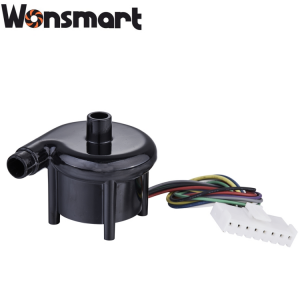
12V brushless mini centrifugal air blower motor — the structural specification for the portable nebulizer blower. View 12V blower range →
The US DME Supplier Whose 12V Blower Failed FDA 510(k) EMC Review
A US-based DME supplier contacted us in early 2025 after their previous 12V blower factory had supplied a portable nebulizer component that failed the FDA 510(k) EMC review due to the radiated emission exceeding the IEC 60601-1-2 limit by 8 dB. The supplier had specified the blower based on the voltage (12V), the airflow (8 L/min), and the noise level (45 dB(A)), without auditing the EMC compliance at the sourcing qualification stage. The 6-month regulatory delay pushed the product launch past the seasonal respiratory demand and the DME supplier absorbed the inventory write-off that the regulatory gap exposed.
The root cause was the sourcing specification without the EMC compliance audit. The IEC 60601-1-2 testing is the structural requirement for the medical device component, with the testing typically requiring the dedicated EMC chamber and the pre-compliance testing at the factory. **The 8 dB radiated emission excess was the structural mismatch between the consumer-grade blower design and the medical-grade EMC requirement, with the FDA review exposing the gap that the factory audit would have caught**.
The fix was to specify the [Wonsmart 12V blower](https://www.wonsmartmotor.com/12v-blower/) with the 4-dimension factory audit applied at the sourcing qualification. The new specification includes the EMC/ESD compliance documentation (IEC 60601-1-2 test report), the medical-grade material certification (ISO 10993, USP Class VI), the IEC 60601-1 readiness documentation, and the RPM-torque curve matching for the nebulizer flow requirement. **The new procurement has delivered the 510(k) submission with the EMC compliance verified, with the product launch aligned to the respiratory demand season**.
The structural insight from this scenario: the portable nebulizer blower sourcing must include the 4-dimension factory audit, not just the voltage and the airflow specification. Programs that specify the blower without the audit encounter the regulatory delay that the audit would have prevented.
The 4-Dimension Factory Audit Framework
The 4-dimension factory audit framework is the structural specification for the portable nebulizer blower sourcing qualification, with each dimension representing a structural requirement that the 12V micro motor factory must demonstrate. The 4 dimensions are the procurement specification, with each dimension documented at the sourcing qualification stage.
| Dimension | Audit Scope | Documentation |
|---|---|---|
| EMC/ESD compliance | IEC 60601-1-2 emission/immunity | Test report |
| Medical-grade material | ISO 10993 biocompatibility, USP Class VI | Material certificate |
| IEC 60601-1 readiness | Basic safety + essential performance | Compliance file |
| RPM-torque curve | Nebulizer flow + particle size match | Performance report |
The 4-dimension table shows the structural specification for the factory audit, with each dimension requiring the specific documentation that the DME supplier can submit with the FDA 510(k) or the CE MDR submission. Programs that specify all 4 dimensions at the sourcing qualification stage receive the blower that meets the regulatory requirement.
Dimension 1: EMC/ESD Compliance Testing
The EMC (Electromagnetic Compatibility) compliance for the 12V micro motor requires the IEC 60601-1-2 testing. International medical EMC standards are maintained through the IEC 60601-1-2 medical EMC collateral standard. The EMC/ESD compliance is the structural specification for the medical-grade blower procurement.
The radiated emission testing verifies that the blower does not emit excessive electromagnetic radiation that could interfere with the other medical devices in the patient vicinity. The conducted emission testing verifies that the blower does not emit excessive electromagnetic noise on the power line. The ESD immunity testing verifies that the blower can withstand the electrostatic discharge without malfunction. The RF immunity testing verifies that the blower can withstand the RF electromagnetic field without malfunction.
The EMC/ESD compliance documentation is typically generated by the third-party EMC testing lab, with the test report including the test setup, the test results, and the compliance verdict. The DME supplier should request the EMC test report from the blower factory at the sourcing qualification stage, with the report reviewed by the DME supplier’s regulatory affairs team before the sourcing approval.
Dimension 2: Medical-Grade Material Certification
The medical-grade material requirement for the nebulizer blower includes the biocompatibility. International medical device biocompatibility standards are maintained through the ISO 10993 biological evaluation of medical devices standard. The medical-grade material is the structural specification for the medical device blower.
The biocompatibility testing per ISO 10993 verifies that the patient-contacting components do not cause the cytotoxic, the sensitizing, or the irritating reaction. The air-path components (the impeller, the housing, the seal) require the FDA food-grade or USP Class VI certification, with the certification verifying that the material is safe for the respiratory air path. The RoHS compliance verifies that the electrical components do not contain the restricted substances (lead, mercury, cadmium, hexavalent chromium).
The medical-grade material certification is typically generated by the third-party material testing lab, with the certificate including the material specification, the test method, and the compliance verdict. The DME supplier should request the material certificate from the blower factory at the sourcing qualification stage.
Dimension 3: IEC 60601-1 Readiness Documentation
The IEC 60601-1 is the international standard for the basic safety and essential performance of medical electrical equipment. International medical electrical equipment safety standards are maintained through the IEC 60601-1 medical electrical equipment safety standard.
The basic safety testing per IEC 60601-1 verifies that the blower does not pose the electrical shock hazard, the mechanical hazard, or the fire hazard under the normal condition and the single fault condition. The essential performance testing verifies that the blower delivers the specified airflow and the pressure under the clinical use condition.
The risk management file per ISO 14971 documents the hazard identification. International medical device risk management standards are maintained through the ISO 14971 medical device risk management standard. The risk management file is the structural specification for the medical device component, with the file typically integrated into the medical device system risk management file.
Dimension 4: RPM-Torque Curve Matching
The RPM-torque curve matching is the structural specification for the nebulizer flow requirement, with the curve representing the blower performance under the different load conditions. The matching is the structural specification for the portable nebulizer, with the RPM-torque curve matched to the nebulizer mesh specification and the particle size requirement.
The typical RPM-torque range for a portable nebulizer blower is 8,000-25,000 RPM at the no-load. International blower performance test standards are maintained through the ISO 5801 industrial fan performance test standard. The RPM-torque range is the structural specification for the nebulizer blower selection.
The RPM-torque curve matching is typically documented by the blower factory in the performance report, with the report including the no-load speed, the loaded speed, the maximum torque, and the airflow-pressure curve. The DME supplier should request the performance report from the blower factory and verify the curve matches the nebulizer design specification.
The particle size targeting is the second-order requirement that the RPM-torque curve must satisfy. The mesh-type portable nebulizer typically targets the mass median aerodynamic diameter (MMAD) of 1-5 microns for the lower-respiratory-tract delivery, with the particle size controlled by the airflow velocity at the mesh membrane. The blower with the RPM-torque curve matched to the mesh specification delivers the consistent particle size across the battery discharge cycle, with the curve documented in the performance report for the DME supplier’s clinical validation reference. The DME supplier should specify both the airflow target and the particle size target at the sourcing qualification stage, with both targets documented in the performance report acceptance criteria.
Three OEM Program Case Studies and Their Audit Outcome
Three OEM program case studies illustrate how the 4-dimension factory audit delivers the medical-grade blower sourcing.
Case 1: US DME supplier, EMC compliance gap, 4-dimension audit closed. Original specification: blower specified on voltage + airflow. Result: FDA 510(k) EMC review failed by 8 dB. Fix: 4-dimension audit. Outcome: regulatory submission approved. Lesson: 4-dimension audit is the structural specification for the medical-grade blower sourcing.
Case 2: European DME brand, material certification gap, ISO 10993 added. Original specification: blower specified on performance only. Result: CE MDR review flagged material biocompatibility gap. Fix: ISO 10993 testing added. Outcome: CE MDR submission approved. Lesson: medical-grade material certification is the structural specification for the EU market access.
Case 3: Pediatric nebulizer brand, RPM-torque curve gap, performance matching. Original specification: standard adult blower used for pediatric. Result: particle size mismatch, clinical trial failed. Fix: pediatric RPM-torque curve specification. Outcome: particle size matched, clinical trial passed. Lesson: RPM-torque curve matching is the structural specification for the clinical application.
The common thread across the three programs: the 4-dimension audit application is the structural specification for the medical-grade blower sourcing. Programs that specify all 4 dimensions at the sourcing qualification stage receive the blower that meets the regulatory and clinical requirement.
Sourcing Medical-Grade Blowers From Wonsmart
For DME suppliers sourcing medical-grade blowers from Wonsmart, the procurement conversation should cover six items before the sourcing qualification is finalized.
- Application specification: the nebulizer application specification, including the airflow target, the pressure target, and the particle size target, which determine the RPM-torque curve matching.
- Compliance scope: the regulatory compliance scope (FDA 510(k), CE MDR, PMDA, NMPA), which determines the certification documentation requirement.
- EMC/ESD testing: the EMC/ESD testing scope (IEC 60601-1-2), which determines the EMC compliance documentation.
- Material requirement: the medical-grade material requirement (ISO 10993, USP Class VI, FDA food-grade), which determines the material certification.
- IEC 60601-1 readiness: the IEC 60601-1 readiness scope (basic safety, essential performance, risk management), which determines the compliance documentation.
- MOQ and lead time: the MOQ and the lead time for the blower, which determines the OEM procurement schedule.
The Wonsmart 12V blower product range covers the structural blower selection. The medical blower range is the medical-grade subset. Request factory audit with the IEC 60601-1 documentation.
Request 4-Dimension Factory Audit
Tell us the application specification, the compliance scope, the EMC/ESD testing requirement, and the material requirement. We will provide the 4-dimension factory audit report with the IEC 60601-1 documentation for your sourcing qualification.
Frequently Asked Questions
What are the 4 structural dimensions of a 12V micro motor factory audit for portable nebulizer blowers?
The 4 structural dimensions are: (1) EMC/ESD compliance testing documentation, (2) medical-grade material selection and certification, (3) IEC 60601-1 readiness and documentation, (4) RPM-torque curve matching with the nebulizer flow requirement.
What is the typical RPM-torque range for a portable nebulizer blower?
The typical RPM-torque range for a portable nebulizer blower is 8,000-25,000 RPM at the no-load. International blower performance test standards are maintained through the ISO 5801 industrial fan performance test standard.
What is the IEC 60601-1 compliance requirement for the nebulizer blower?
The IEC 60601-1 is the international standard for the basic safety and essential performance of medical electrical equipment. The nebulizer blower typically requires the IEC 60601-1 compliance as a component of the medical device system, with the compliance documentation including the basic safety testing, the essential performance testing, and the risk management file.
What is the EMC/ESD compliance requirement for the 12V micro motor?
The EMC compliance for the 12V micro motor requires the IEC 60601-1-2 testing for the emission and the immunity, including the radiated emission, the conducted emission, the ESD immunity, and the RF immunity. The EMC/ESD compliance is the structural specification for the medical-grade blower procurement.
What is the medical-grade material requirement for the nebulizer blower?
The medical-grade material requirement includes the biocompatibility per ISO 10993 for the patient-contacting components, the FDA food-grade or USP Class VI for the air-path components, and the RoHS/REACH compliance for all the electrical components.
What is the typical noise level for a portable nebulizer blower?
The typical noise level for a portable nebulizer blower is 35-50 dB(A) at 1 meter, with the lower noise level achieved by the brushless DC motor design and the precision-balanced impeller. The lower noise level provides the better patient experience for the home use and the pediatric application.
What is the typical lifetime requirement for a portable nebulizer blower?
The typical lifetime requirement for a portable nebulizer blower is 5,000-10,000 hours continuous operation or 3-5 years typical use, with the lifetime achieved by the brushless DC motor design and the sealed bearing.
What is the typical MOQ for the 12V micro motor from the medical blower factory?
The typical MOQ for the 12V micro motor from the medical blower factory is 500-2,000 units per SKU, with the lower MOQ for the established SKU and the higher MOQ for the new SKU. Programs that specify the MOQ at the procurement stage receive the delivery that matches the OEM production schedule.
Post time: Aug-21-2026


